It’s a total myth that Mussolini made the trains run on time. Pure propaganda. Just something he told people to prop up his image—a kind of early “Make Italy Great Again” move.
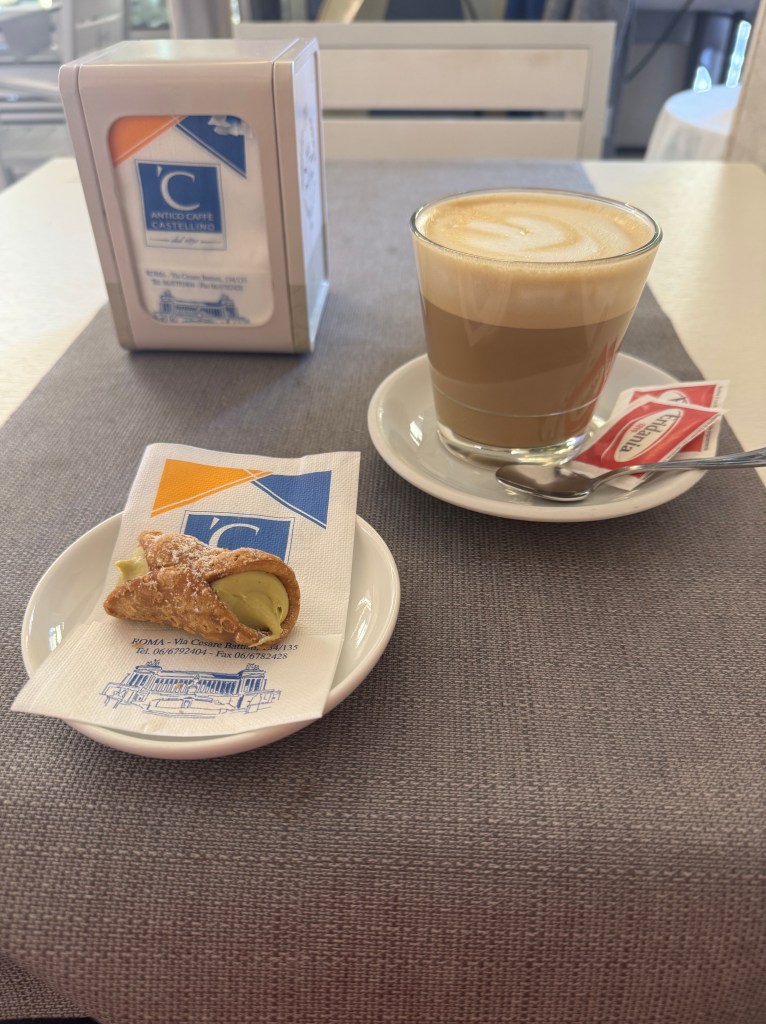
Unlike me, insomnia doesn’t take holidays. I woke at 2:30 a.m. and never made it back to sleep. My alarm was set for 6:30 to get me to the airport, but that was irrelevant—insomnia had other plans. I arrived at Roma Termini well before schedule, early for my 8:00 a.m. train. I didn’t mind. It gave me time for a coffee, a pastry, and a bit of people-watching—while being elbowed aside by a few Italian women who clearly needed their caffeine fix more urgently than I did.
One woman strolled past me with a tiny black poodle on a leash. Behind her trailed a boy, maybe twelve, dragging a cat carrier in one hand and a backpack in the other. Inside the carrier was a small black cat who, despite being repeatedly knocked against the boy’s leg with each step, looked oddly calm. Stoic, even.
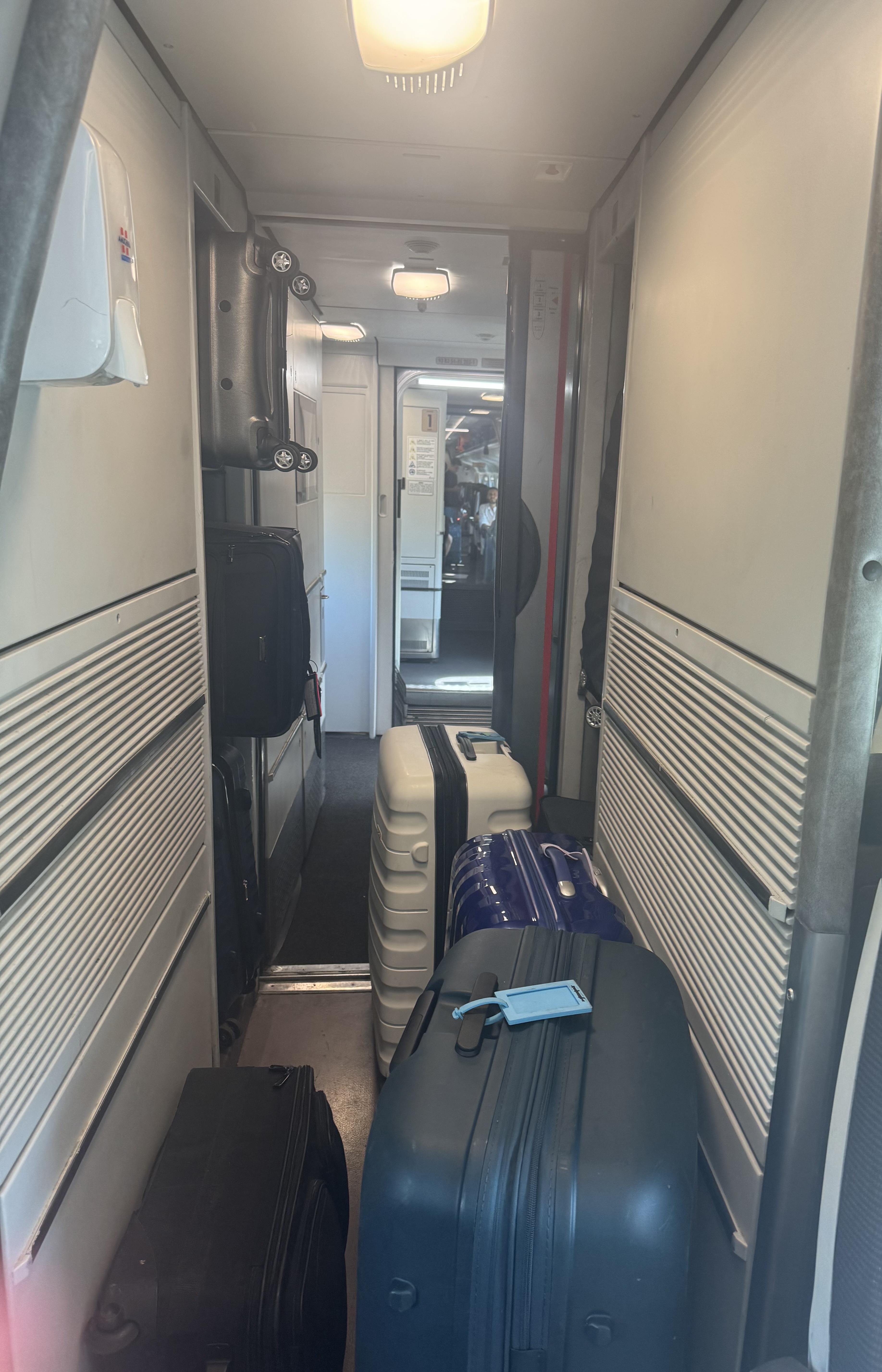
Boarding the train with time to spare, I found my seat and tried to store my luggage. It didn’t fit in the overhead. It didn’t fit behind any seats. I checked both ends of the carriage—no luggage rack. I asked the train guard for help. He shrugged, turned away, and offered that uniquely Italian solution: “no problem.” Several others seemed just as lost.
Meanwhile, the black poodle escaped, the boy now juggling the dog and the cat carrier. I stepped on the leash just in time, stopping the poodle from trotting off into chaos. The boy gave me a grateful nod. The woman seated next to me gave me a sharp glance. She didn’t appreciate my oversized bag—frankly, neither did I by that point. I finally found a single empty spot in the next carriage’s storage area. My suitcase hung halfway out into the corridor, wheels and all, but I decided to let the train gods deal with it.
Later, on a walk through the carriages to find food, I had to step over other bags just abandoned in the aisle. I shrugged and looked away. Not my problem. I was adapting.
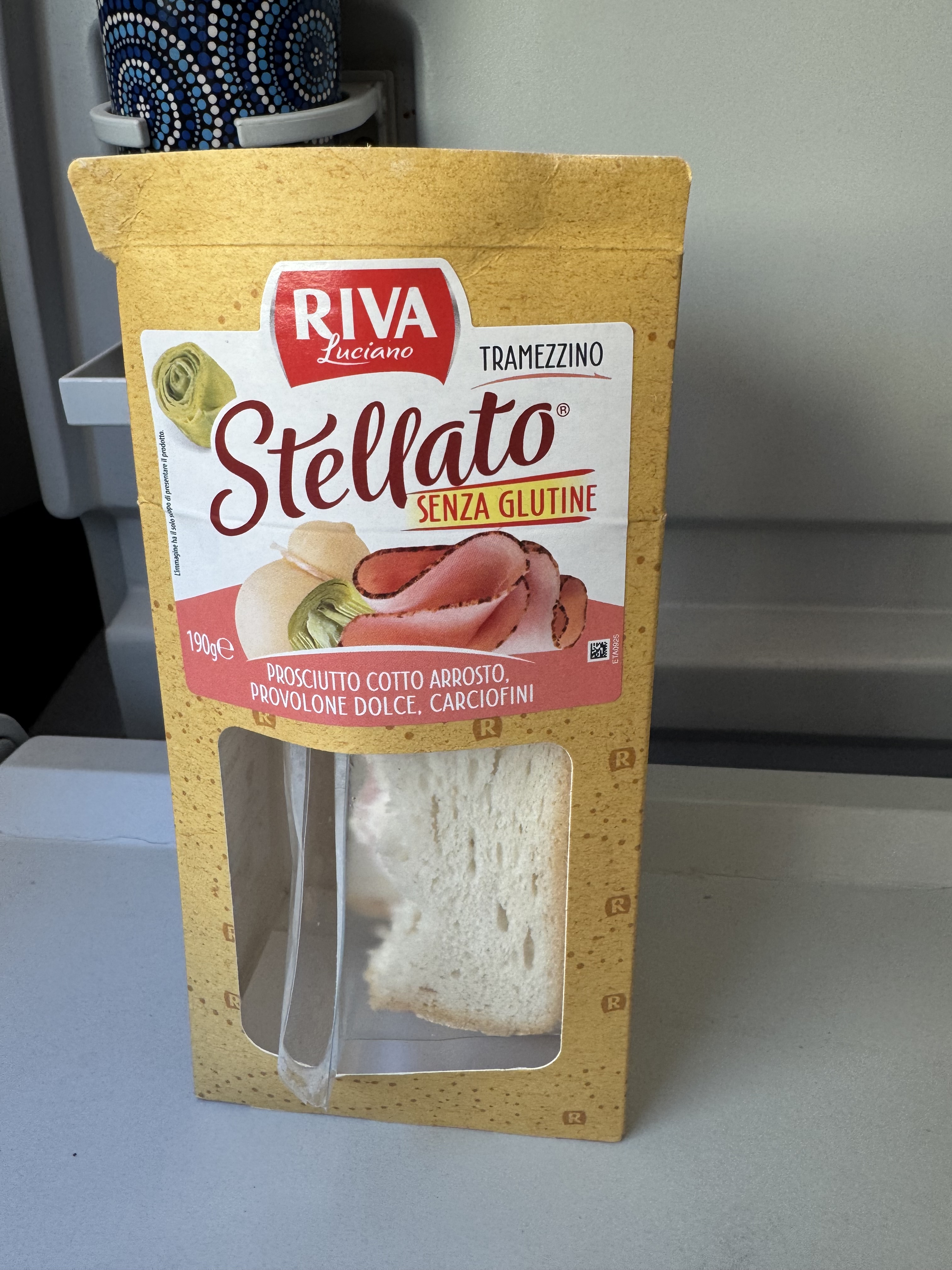
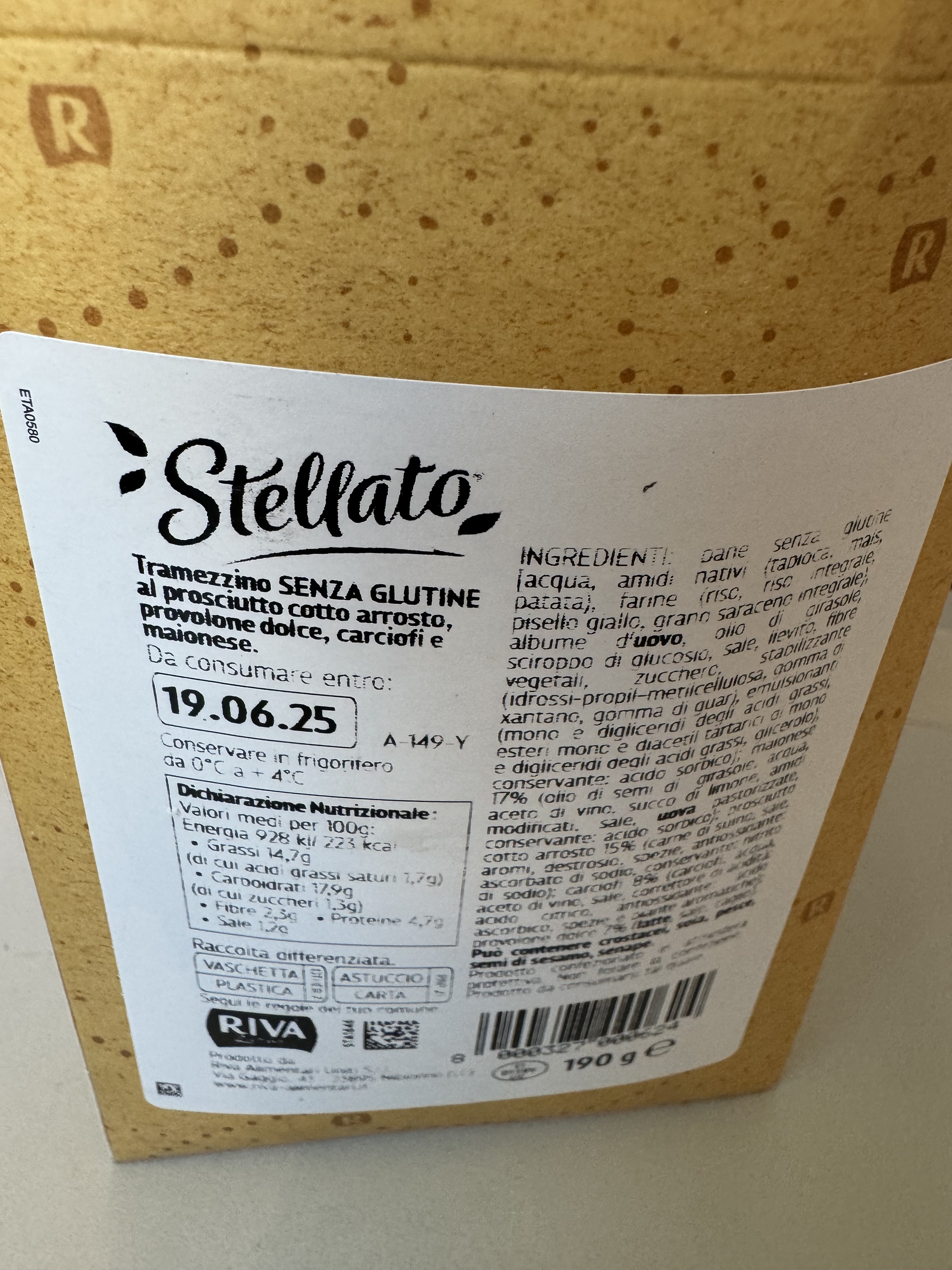
The sandwich I bought tasted like cardboard. Its best-before date was still nearly two weeks off—June 19, 2025—but I took one bite and buried it back in the bag like a bad memory.
Despite being a high-speed train moving at over 160 km/h, it still managed to arrive in Bari late. Eleven minutes behind schedule. Just enough for me to miss my connecting local train to Monopoli. I had planned everything to arrive in Monopoli with plenty of time to drop my bags, grab my swimsuit, and head out on a sailing and snorkeling tour. A dip in the sea would’ve been bliss—for both my mind and my osteoarthritic joints. But thanks to that delay, I missed it. No tour, no swim. Just a tired, hungry, thoroughly annoyed version of myself on a platform in Bari.
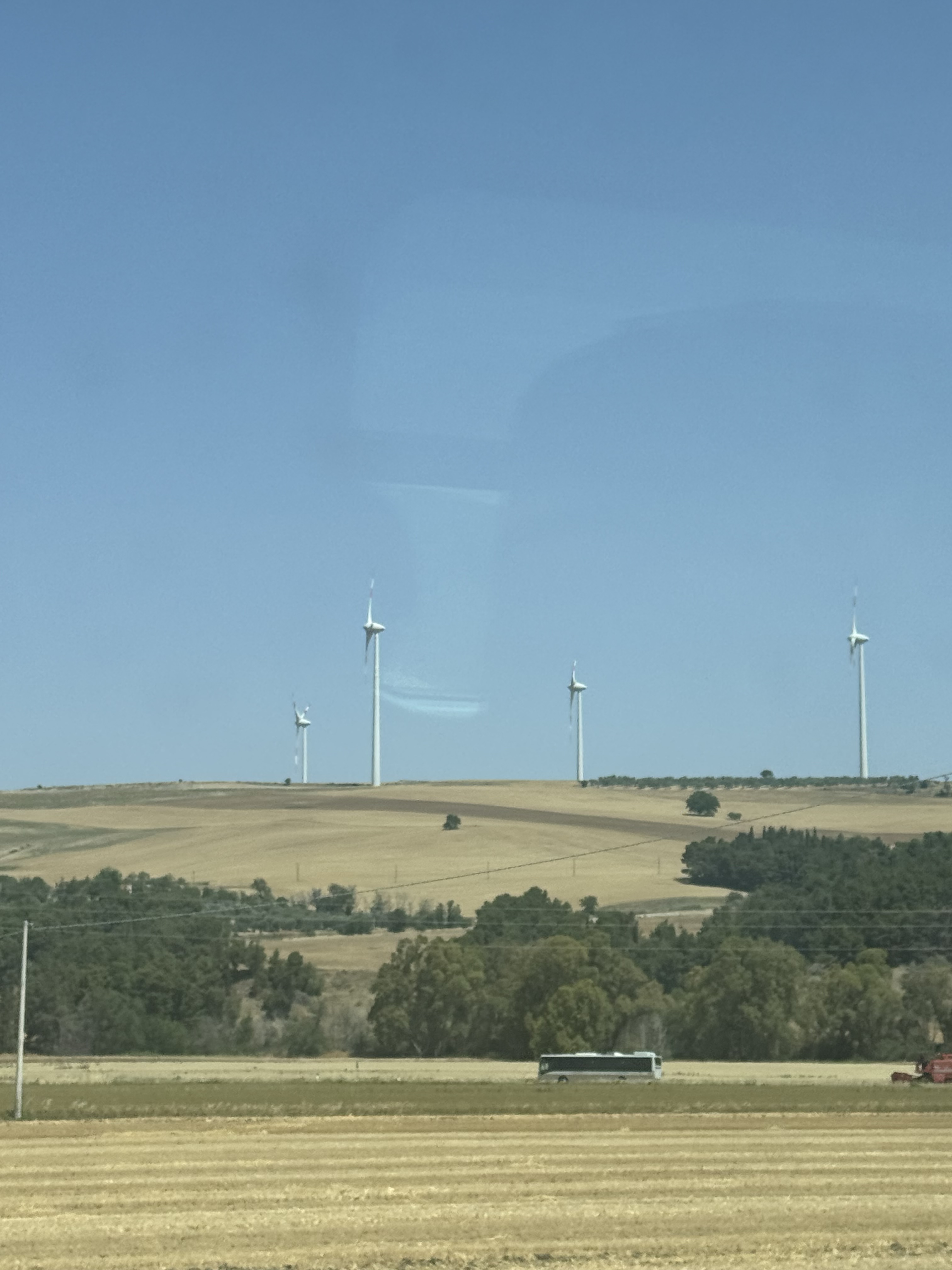
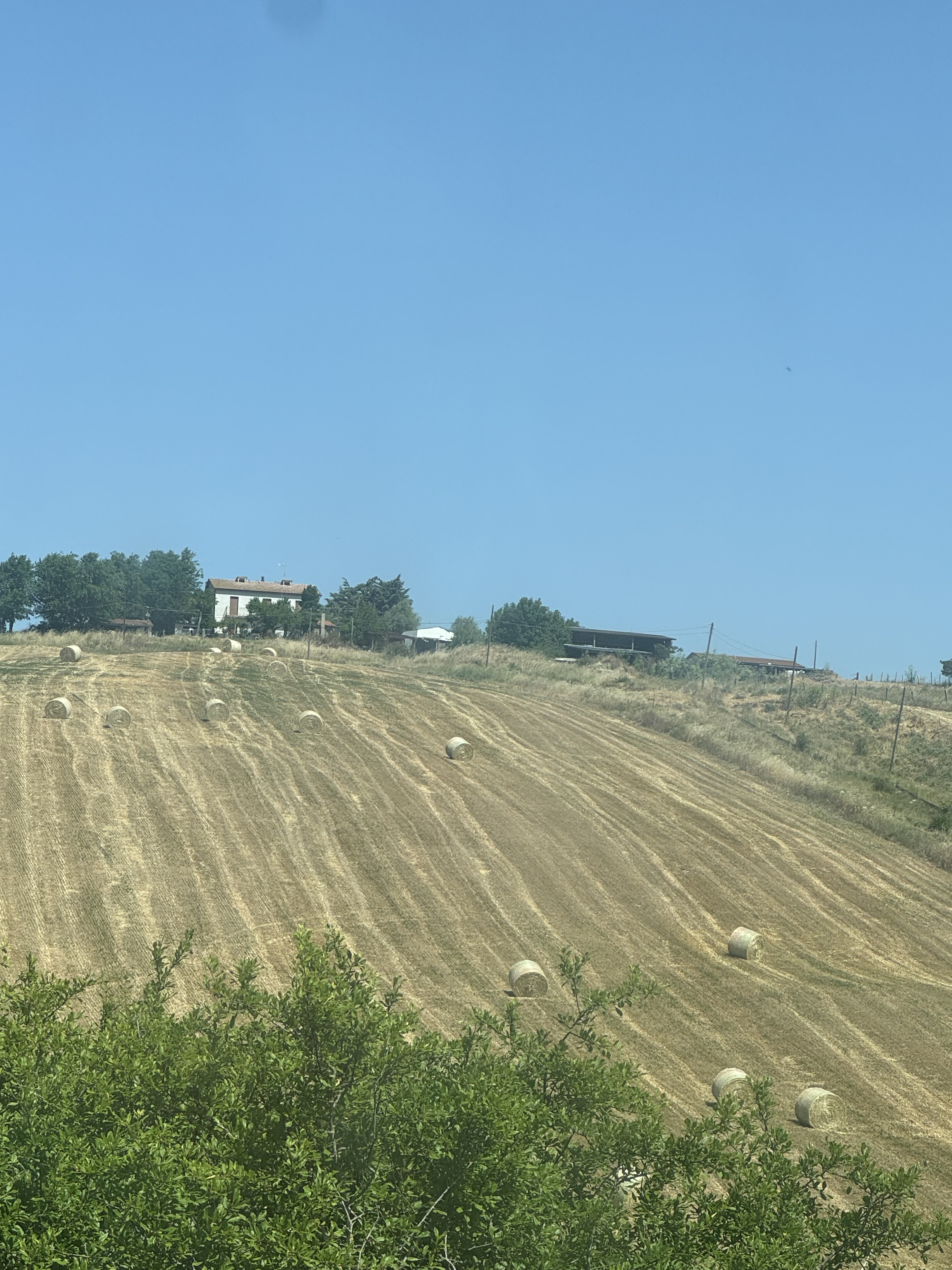
The coastal scenery, with glimpses of olive groves and the occasional trullo—those traditional conical-roofed houses—should’ve lifted my spirits. But fatigue dulled the beauty. I barely registered them.
Monopoli, however, saved the day.
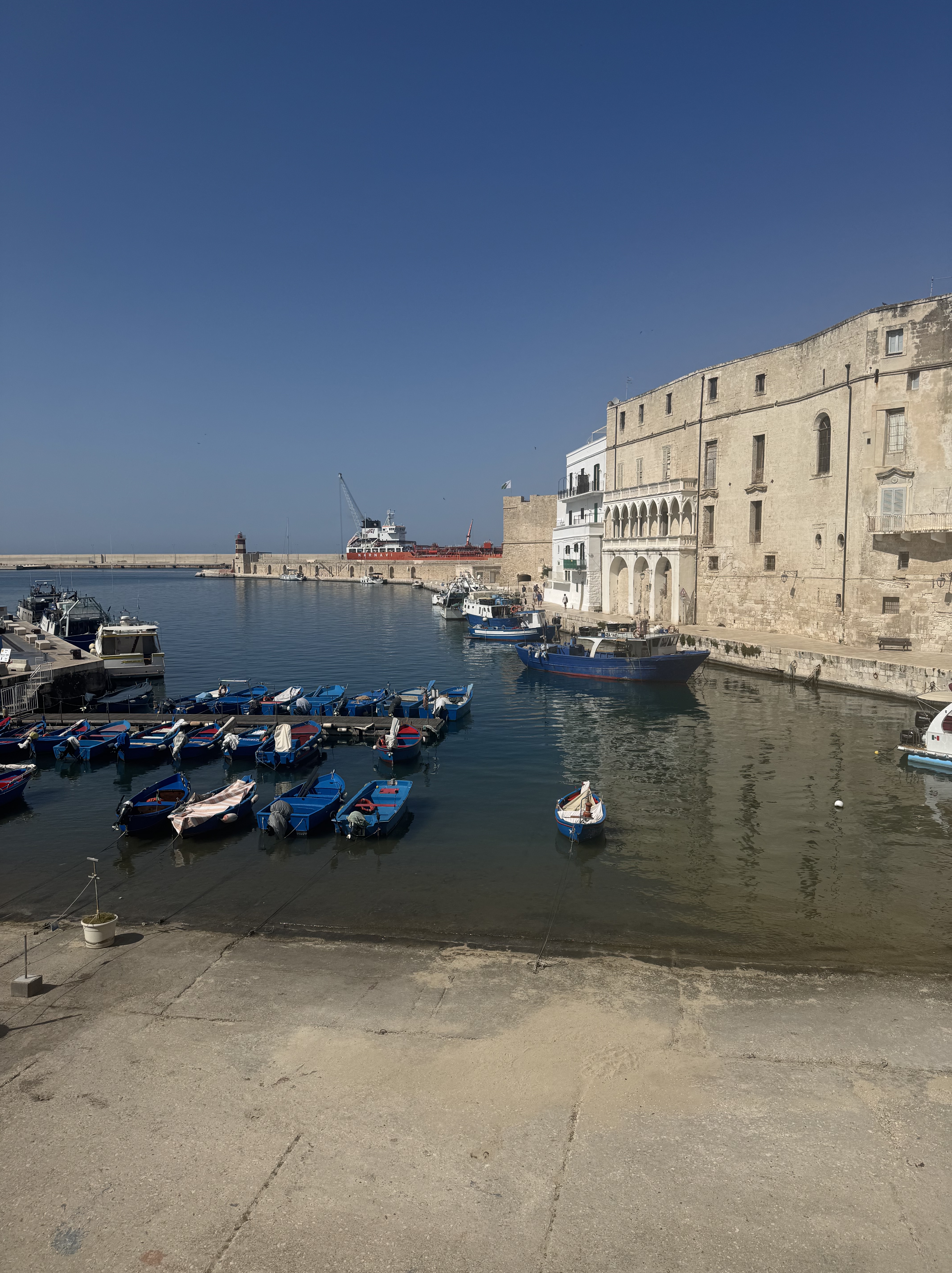
The moment I arrived, the weight of the journey began to lift. My hotel was charming, the staff warm and welcoming. From my room window, I could see the marina—where my boat tour should have departed. I rolled my eyes and sighed, then headed out for a walk.
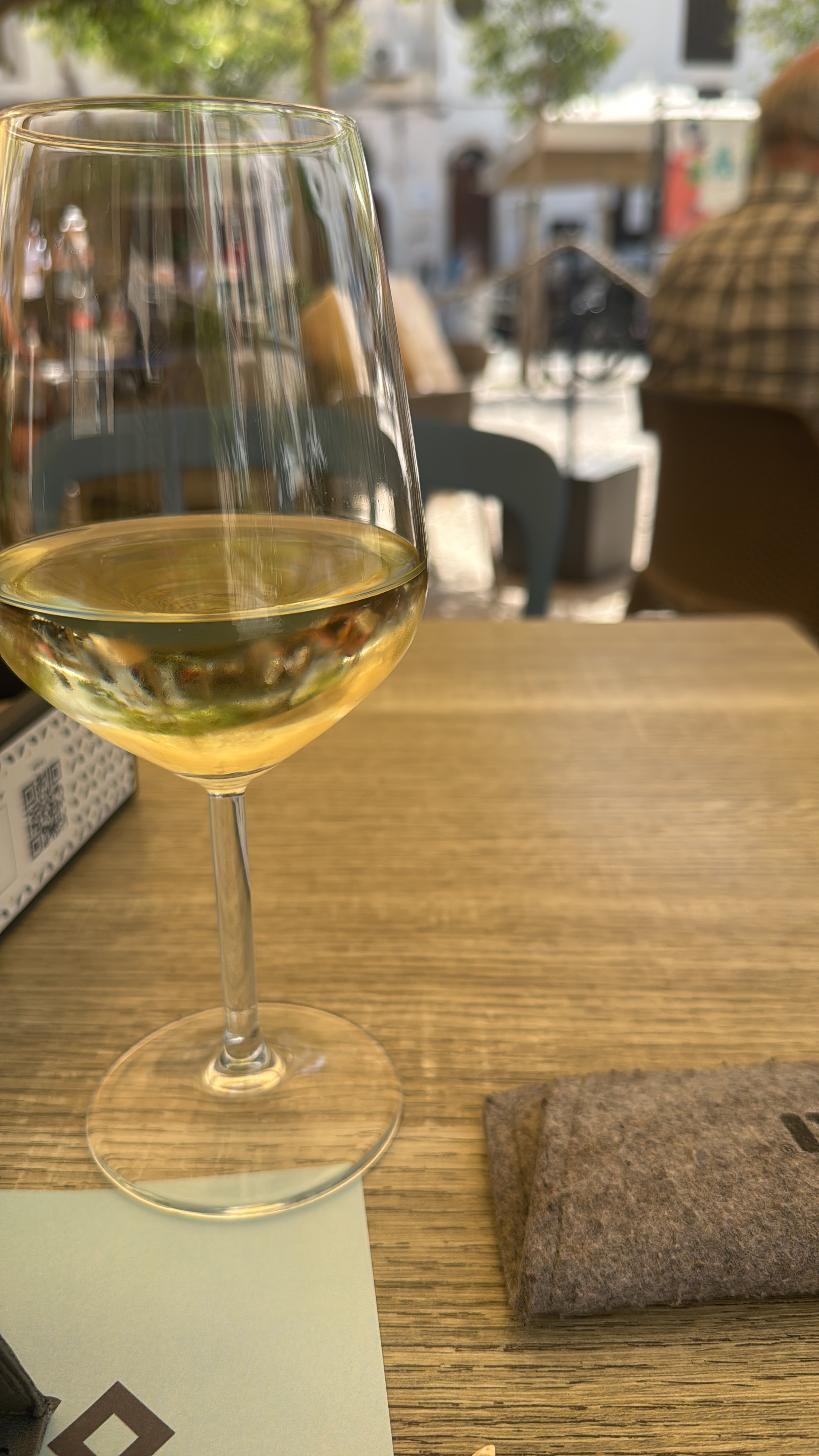
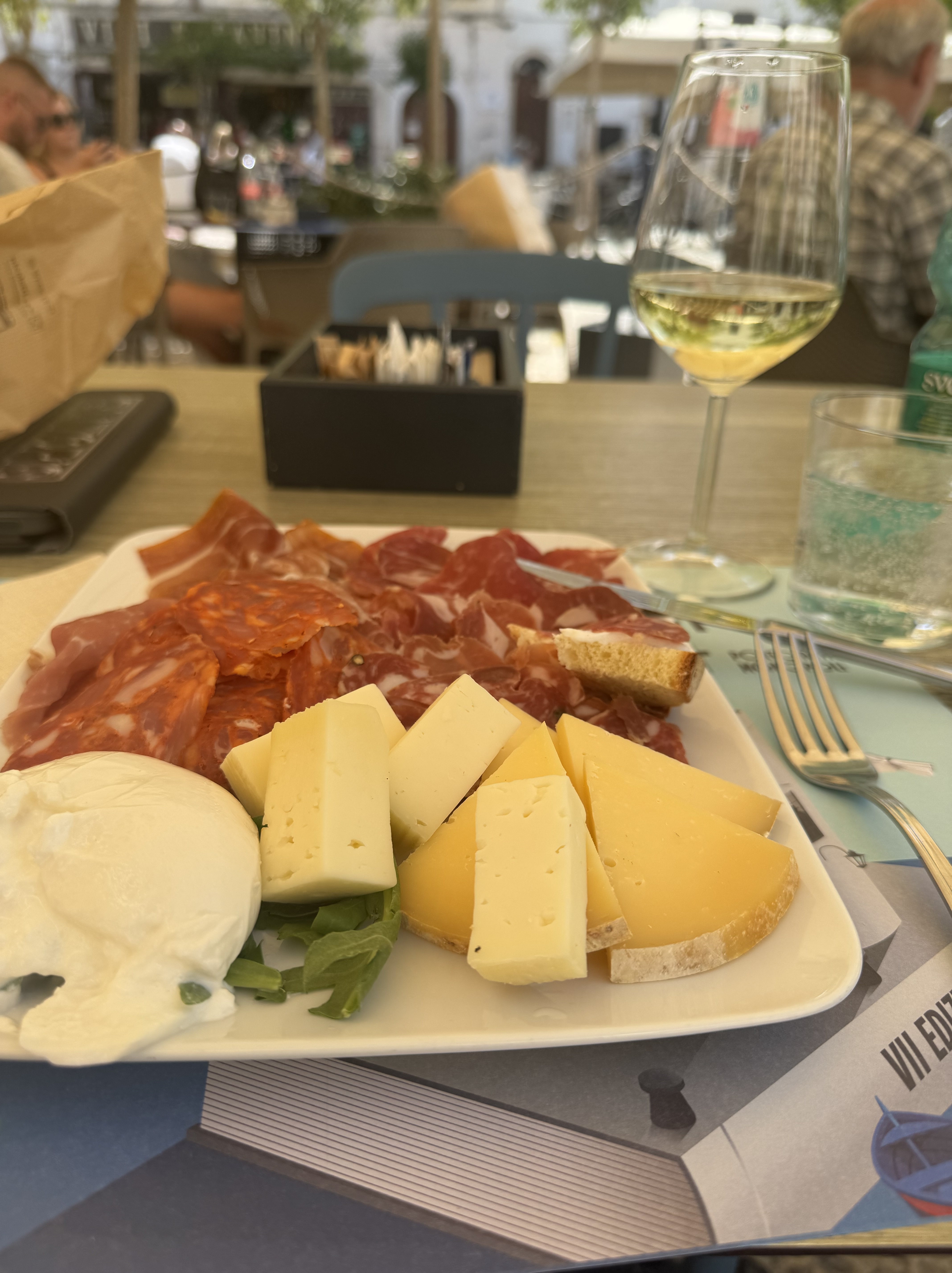
A short stroll brought me to a sun-drenched piazza. I sat down, ordered a glass of local wine and a platter of meats and cheeses. With each sip and bite, the irritation faded. Mussolini didn’t make the trains run on time. As I looked around the town, I thought, it doesn’t matter. No matter how bad the journey, Monopoli seemed worth it at first glance.
 The seat of my pants